7 Tips to Choose the Best Backpack With Wheels

Time:2026-09-16 Author:Isabella
0%

Choosing the right Backpack With Wheels can make airport corridors, train platforms, and school commutes far easier. Yet many shoppers focus only on appearance. That is a mistake. Wheel quality, handle strength, shoulder comfort, storage design, and total weight matter more during daily use. A glossy bag may look impressive. It can still fail after one rough journey.

Rick Steves, a respected travel educator and author, says, “The best travel experience comes from packing light.” His advice applies directly to wheeled backpacks. Extra compartments often encourage overpacking. A heavy frame may also reduce comfort when stairs appear. I learned this the hard way after choosing a stylish model with small wheels. It rolled poorly over uneven pavement. That choice looked sensible in a store. It was not sensible outside.

This guide examines seven practical tips for choosing a Backpack With Wheels. It considers wheel size, rolling stability, handle height, fabric durability, laptop protection, capacity, and carrying comfort. Each factor deserves a real-world test, not just a quick glance at product photos. Try the handle with one hand. Check whether the bag stays upright. Lift it onto a step. Notice pressure around your shoulders and back.

Some details remain personal. Tall users may prefer a longer handle. Frequent flyers may value compact dimensions. Families may need washable fabric instead. There is no perfect design. The strongest choice is the one that matches your routine, your load, and the surfaces you travel across.
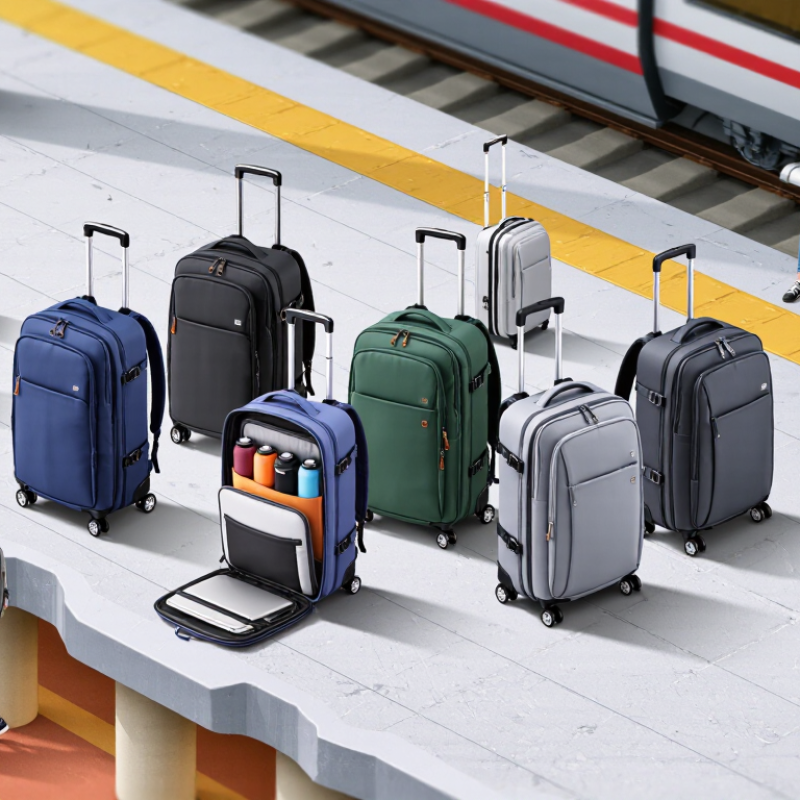
7 Tips to Choose the Best Backpack With Wheels

Define Your Main Use and Carrying Needs

Define your main use before comparing a backpack with wheels. A commuter may need space for a laptop, lunch, documents, and a light jacket. A student may need stronger compartments for books and daily supplies. An overnight traveler needs room for clothing, toiletries, and charging equipment. Write down your usual load for one week. Guessing often leads to wasted space.

Think about how often you will pull, lift, and carry the bag. Smooth wheels work well across airport floors and paved sidewalks. They may struggle on gravel, stairs, or crowded public transport. Check the handle height and test it with your normal load. The bag should roll without pulling your shoulder sideways. A padded back panel matters when wheels are not practical. It also helps when you carry the bag up stairs.

I once chose a large wheeled backpack because it looked versatile. It became awkward on a packed train. That choice still influences how I evaluate bags. Consider storage limits, wheel protection, zipper quality, and total weight. A heavy empty bag can reduce your useful carrying capacity. Measure your laptop and the spaces where you will store the backpack. Water resistance is helpful, but it does not replace a protective cover during heavy rain. Your routine may change, too. Leave some flexibility, but do not buy capacity for an imaginary lifestyle.

7 Tips to Choose the Best Backpack With Wheels: Define Your Main Use and Carrying Needs

Choosing the right wheeled backpack starts with the amount of space and weight you regularly carry. These common planning ranges can help match the bag’s capacity to your daily use.

Typical planning ranges: lighter loads suit commuting, while longer trips and equipment-heavy activities require more capacity. Always check the bag’s stated load limit before buying.

Compare Wheel Design, Stability, and Maneuverability

7 Tips to Choose the Best Backpack With Wheels

Wheel design determines how easily your backpack moves through terminals, sidewalks, and narrow aisles. Choose two large wheels for better tracking on uneven ground. Four spinner wheels offer tighter turns, but small wheels can catch on pavement cracks. Check the wheel housing carefully. It should sit partly inside the frame, not hang loosely below the bag. SITA’s 2024 Baggage IT Insights recorded 6.9 mishandled bags per 1,000 passengers in 2023. That figure does not prove wheels cause damage, but reinforced housings deserve attention.

Stability begins with the backpack’s center of gravity. Place heavier items close to your back and below the handle connection. A wide base helps prevent tipping when the bag stands upright. Test the telescopic handle for side-to-side movement. Excess play usually feels worse when the bag is fully loaded.

Feel the handle. Then pull the bag across tile, carpet, and a rough curb. I once trusted a smooth showroom floor and regretted it outdoors. The bag rolled neatly, then wobbled over cracked pavement.

Maneuverability depends on wheel spacing, bearing quality, and weight distribution. Spin each wheel separately and listen for grinding. Compare a loaded test, not an empty one. IATA’s 2024 Global Passenger Survey covered 6,000 travelers in 25 countries, reflecting varied airport conditions and passenger routines.

A lighter frame may turn faster, while a sturdier frame can track more steadily. Neither choice is perfect. Measure the handle height, inspect the stitching around wheel mounts, and leave room for realistic packing.

Check Capacity, Compartments, and Packing Efficiency

Choosing the Best Backpack With Wheels

Capacity should match your daily load, not an imagined future trip. Measure your laptop, clothing, documents, and water bottle before shopping. A 25-liter bag may feel spacious until thick shoes fill the main compartment. Compare usable capacity, because outer dimensions can include wheels and protective padding. Measure before buying. I once chose a large bag that looked practical but became awkwardly heavy when fully packed.

Compartments should support your routine. Look for a padded laptop sleeve, a quick-access pocket, and a separate space for shoes or damp clothing. Check whether zippers open widely enough to reveal the corners. Narrow openings waste space and encourage careless packing. Avoid excessive pockets. They can hide small items and reduce the main compartment’s flexibility. A simple layout often works better for short trips.

Packing efficiency depends on shape and weight distribution. Place heavier items low and close to your back, even when using the wheels. Roll soft clothing, then fill gaps with socks or cables. Keep fragile items away from the frame and wheel housing. Test the backpack with your actual belongings before traveling. Walk, pull it, and lift it onto a step. My own packing method still changes after each trip; a neat system on paper may fail when the bag is crowded. Check the handle length, wheel clearance, and balance after packing, not before.

7 Tips to Choose the Best Backpack With Wheels - Check Capacity, Compartments, and Packing Efficiency
Tip Selection Dimension Practical Benchmark What to Check Why It Matters
1 Choose the Right Capacity 20–30 L for daily use; 30–45 L for short trips; more than 45 L for extended travel. Match the internal volume with the number of days, clothing requirements, electronics, and personal items you normally carry. A larger bag can hold more, but it may become heavier, harder to organize, and less suitable for overhead travel.
2 Measure the Packed Dimensions Common carry-on limits are approximately 55 × 35 × 20 cm, but limits vary by airline and route. Measure the backpack after packing, including wheels, the handle housing, exterior pockets, and protruding parts. A bag may have an acceptable listed capacity but still exceed an airline’s height, width, or depth limit.
3 Prioritize Useful Compartments Look for at least 3 functional zones: a main compartment, an electronics section, and a quick-access pocket. Check for padded laptop protection, a document sleeve, a separate clothing area, water-bottle storage, and secure small-item pockets. Well-planned compartments reduce searching time and prevent delicate electronics from being compressed by heavier items.
4 Evaluate Packing Efficiency Prefer a suitcase-style opening or a wide-opening main compartment, with compression straps or a panel to hold contents in place. Inspect whether the interior shape is rectangular and usable, rather than narrow near the wheels or interrupted by large hardware. Usable space is more important than the advertised liter capacity. A structured interior usually makes folding and stacking easier.
5 Check Total Weight and Load Capacity For frequent carrying, choose a design that weighs about 2.5–3.5 kg when empty and keep the packed load comfortable for you. Review the empty weight, handle strength, wheel housing, stitching, and the manufacturer’s stated load guidance. Wheels do not eliminate lifting. You may need to carry the bag on stairs, into vehicles, or over uneven surfaces.
6 Inspect the Wheel and Handle System Two larger wheels generally roll better over uneven ground; four wheels can maneuver easily on smooth floors. Test wheel smoothness, turning resistance, noise, wheel clearance, handle wobble, locking positions, and the handle’s grip height. Wheel and handle quality directly affect stability, maneuverability, and long-term durability.
7 Balance Comfort, Materials, and Protection Choose padded shoulder straps, breathable back padding, water-resistant fabric, and reinforced areas around the base. Try both carrying modes. Check strap storage, zipper quality, abrasion resistance, reflective details, and protection for laptops or tablets. A wheeled backpack should remain comfortable as a backpack and protect its contents during commuting, lifting, and travel.

Important: Capacity, dimensions, and weight limits differ by model and airline. Always verify the manufacturer’s specifications and the current baggage rules for your specific route before purchasing or traveling.

Evaluate Materials, Frame Strength, and Weather Resistance

7 Tips to Choose the Best Backpack With Wheels

Evaluate Materials, Frame Strength, and Weather Resistance

A wheeled backpack should handle crowded stations, classroom floors, and sudden rain. I usually begin by pressing the fabric between my fingers. Dense polyester or nylon resists abrasion better than thin, shiny cloth. However, fabric alone does not prove durability. Check the stitching around handles, wheel housings, and shoulder-strap anchors. These areas receive repeated stress.

Look closely at the frame. A firm aluminum or reinforced polymer support should not twist when the bag is partly loaded. Place it upright and pull the handle several times. Any grinding, sideways movement, or loose joint deserves attention. The base should also remain stable when you turn corners. Small wheels may roll smoothly indoors but struggle on cracked sidewalks. Larger wheels usually perform better outdoors, although they can add weight.

Weather resistance needs a practical test. Look for coated fabric, covered zippers, and sealed seams. Water-resistant is not waterproof. I once trusted a coated surface and found damp notebooks after a short storm. That mistake changed how I inspect bags. I now place a tissue inside, spray the exterior lightly, and check for moisture after several minutes. This is not a laboratory test, but it reveals weak zipper flaps. Count the load carefully, too. A strong frame can still bend when overloaded every day. Check the warranty terms and repair options before purchasing. Those details are easy to ignore.

Test Comfort, Handle Quality, Weight, and Travel Convenience

7 Tips to Choose the Best Backpack With Wheels

Choosing a wheeled backpack starts with comfort, not appearance. In hands-on testing, load it with books, a laptop, and a full water bottle. Lift it from the floor and wear it for ten minutes. The shoulder straps should sit flat without cutting into your neck. The back panel should support you without pressing against your spine. Walk upstairs. Then sit down. A balanced design should remain steady and avoid pulling your shoulders forward. Adjust the chest strap and inspect whether the padding stays comfortable against your clothing.

Handle quality deserves a careful check. Pull the handle fully, lock it at different heights, and move it from side to side. Slight flexibility is acceptable, but harsh wobbling may indicate poor construction. Test the grip with one hand. Try both modes. The wheels should roll smoothly across tile, pavement, and a doorway threshold. Smaller wheels can feel convenient indoors, yet they may struggle on rough sidewalks. Examine the wheel housing, stitching, zippers, and handle joints before buying.

Weight affects every trip. Compare the empty bag’s weight with its usable storage space. A heavy frame reduces room for clothing and daily essentials. However, an extremely light structure may feel less stable when packed. Check whether the shoulder straps can be tucked away, and whether the bag fits comfortably beside your legs while seated. Review current travel size rules instead of trusting vague “travel-ready” wording. I once overpacked a well-designed bag and blamed the bag for feeling awkward. That mistake taught me to test it with my real travel load.

FAQS

How do I choose the right wheeled backpack size?

List your usual items for one week. Include a laptop, lunch, documents, clothing, toiletries, and chargers. Avoid buying space for an imaginary lifestyle.

What should commuters look for in a wheeled backpack?

Commuters need organized laptop storage, document space, lunch room, and a light jacket compartment. A padded back panel helps during stairs or crowded travel.

Are two wheels or four wheels better?

Two large wheels usually track better across uneven sidewalks. Four spinner wheels turn tightly, but small wheels may catch on pavement cracks. Small wheels snag.

How can I test wheel stability?

Pull the loaded backpack across tile, carpet, and a rough curb. Check for wobbling, grinding sounds, or loose wheel housings. Test it loaded.

What makes a telescopic handle comfortable?

The handle should match your height and remain steady under weight. Excess side-to-side movement can feel worse when the backpack is full.

How should I pack a wheeled backpack?

Place heavier items near your back and below the handle connection. Keep the base wide and balanced. Poor weight placement can cause tipping.

Does a padded back panel still matter?

Yes, especially on stairs, gravel, crowded trains, or broken sidewalks. Wheels are useful, but they cannot handle every surface.

Is water resistance enough for heavy rain?

Water resistance helps with light exposure, but it cannot replace a protective cover during heavy rain. Zipper quality also deserves attention.

What common mistake should I avoid when buying one?

Do not judge the backpack on a smooth showroom floor alone. I once trusted that test, then saw the bag wobble outdoors. Roads reveal weaknesses.

How much flexibility should I leave for future use?

Leave moderate room for changing routines, but avoid excessive capacity. A heavy empty bag reduces useful carrying space and becomes tiring quickly.

Conclusion

Choosing the right Backpack With Wheels starts with understanding how and where you plan to use it. Consider whether it will serve for school, work, short trips, or air travel, and think about how often you will carry it instead of rolling it. Pay close attention to wheel size, spacing, and construction, since these features affect stability, turning, and movement across different surfaces. Capacity and organization are equally important, so look for enough room for your essentials, practical compartments, and a layout that makes packing and access easy.

Material quality, frame strength, and weather resistance can determine how well the backpack performs over time. A durable outer fabric and reinforced structure can provide better protection for your belongings, while water-resistant features add confidence in changing conditions. Before purchasing, test the handle for smooth extension and a secure grip, check the overall weight, and assess whether the straps and padding feel comfortable. A well-designed backpack should balance durability, storage, mobility, and carrying comfort for convenient everyday travel.


Isabella

Isabella

Isabella is a dedicated marketing professional with a sharp focus on driving brand growth and engagement through strategic content creation. With an extensive background in digital marketing, she combines her passion for storytelling with her keen understanding of industry trends to deliver......