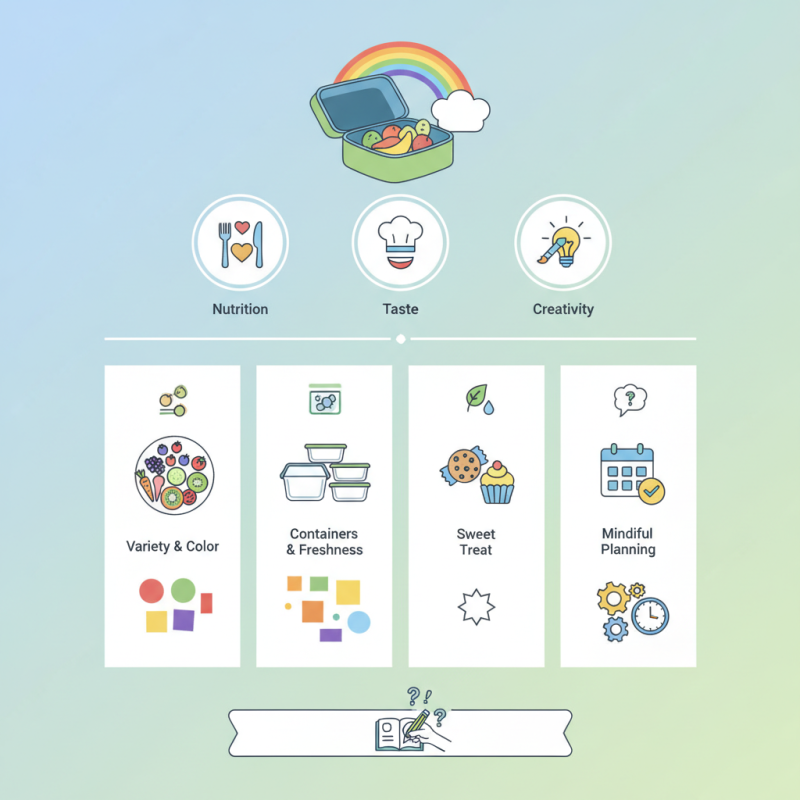
Packing the perfect lunch box can feel like a daunting task. It’s an art that balances nutrition, taste, and creativity. Every lunch box tells a story of care and thoughtfulness, yet many overlook the small details that matter. The key lies in understanding preferences and dietary needs.
When preparing a lunch box, consider colors and variety. Vibrant fruits and vegetables catch the eye. They make meals more appealing to kids and adults alike. However, it’s easy to fall into a routine. The same sandwich or snack can lead to boredom. Reflecting on what works and what doesn’t is essential.
Choosing the right containers affects freshness and presentation. Quality matters. Ensure containers seal tightly to keep food safe. Don’t forget to include a sweet treat; it makes lunch special. Every lunch box can be a delightful surprise with a bit of creativity and mindful planning. Enjoy the process and learn from each attempt.
Packing a balanced lunch box is essential for maintaining energy and focus throughout the day. A well-rounded meal includes proteins, carbohydrates, and healthy fats. When choosing these components, prioritize variety and nutrition. For example, include whole grains like brown rice or quinoa. Pair these with lean proteins such as chicken or legumes. Also, add healthy fats like avocado or olive oil.
Try to incorporate colorful fruits and vegetables. They add essential vitamins and make lunch visually appealing. Carrot sticks, cherry tomatoes, and berries are great options. They are not only nutritious but also easy to pack. Keep in mind the importance of portion sizes. Overpacking might lead to waste, while underpacking can leave you hungry. Experiment with different combinations to find what works best for you.
Here are some tips for packing: always prep ingredients ahead of time. This reduces morning stress. Use reusable containers to keep everything fresh. A little effort goes a long way. Reflect on your choices. Are they satisfying? Do they fuel you adequately? Adjust as needed to ensure each lunch box meets your nutritional needs.
| Food Group | Examples | Nutritional Benefits |
|---|---|---|
| Proteins | Grilled chicken, tofu, hard-boiled eggs | Essential for muscle repair and growth |
| Whole Grains | Brown rice, quinoa, whole wheat bread | Provides sustained energy and fiber |
| Fruits | Apple slices, berries, banana | Rich in vitamins and antioxidants |
| Vegetables | Carrot sticks, cucumber slices, bell peppers | High in nutrients and low in calories |
| Healthy Fats | Avocado, nuts, seeds | Important for brain health and hormone production |
When it comes to packing a lunch box, choosing the right containers is essential. A good container not only maintains your food's freshness but also ensures easy transport. Consider using BPA-free plastic or glass containers. These materials are safe and prevent any unwanted chemical leaching into your meals.
Tips: Opt for containers with compartments. This will keep different foods separate and maintain their textures. For instance, dry snacks can stay crispy, while fruits remain juicier. Also, look for containers that are microwave and dishwasher safe for convenience.
Invest in leak-proof containers. Nothing is worse than opening your lunch box to a soggy mess. If you're packing dressings or dips, consider small, secure containers. It helps in keeping everything tidy. Remember that sometimes, an imperfect packing job can teach you what works best. Experiment with different setups and learn from any spills or squashings.
Keep an eye on portion sizes. Overpacking can lead to waste, especially with perishable items. Reflect on what you actually eat, and adjust accordingly. Not every lunch box needs to look perfect—sometimes, it's okay to prioritize practicality over aesthetics.
Packing a perfect lunch box can be a challenge. Variety is essential to keep meals exciting and nutritious. Incorporating different food groups helps provide essential nutrients. A colorful mix not only pleases the eye but also balances flavors. Try combining proteins, grains, and fresh produce. Add grilled chicken, quinoa, and cherry tomatoes for a tasty bowl.
Don’t forget healthy fats! Add a small container of hummus or a handful of nuts. These can enhance taste and texture. Consider dietary restrictions too. It’s important not to overlook loved ones’ preferences. Packing a lunch can sometimes lead to frustration. Remember, it’s okay to experiment with ingredients. Some combinations will work, while others might not.
Including a sweet treat can also elevate the meal. Fresh fruit or yogurt adds a delicious finish. However, be mindful of sugar levels. Too much sweetness can overshadow the meal's health benefits. Reflecting on each lunch is crucial. Think about what was enjoyed and what didn’t work. This practice will help improve future lunch boxes.
Packing a great lunch box starts long before the morning rush.
Planning ahead is crucial for success.
According to recent studies, meal prepping can save individuals over 10 hours a week while boosting healthy eating. Allocating a few hours on the weekend can lead to a week of nutritious lunches.
Creating a meal prep plan involves a few key steps. Start with a balanced meal template. Include protein, carbs, and vegetables. For example,
grilled chicken with quinoa and steamed broccoli makes a great lunch. Portion out meals into containers for easy access. Investing in quality containers can enhance organization too.
Consider crafting a grocery list based on your meal plan. This minimizes impulse buys. Stick to the perimeter of the grocery store, where fresh foods reside. Another tip: cook in bulk. Foods like soups or grains can be prepared in large quantities and frozen. Some may struggle with variety; if boredom sets in,
switch up the spices or cooking methods. Experimentation can keep lunches exciting.
Packing a lunch box can be a challenging task, especially when trying to keep it fun and appealing. According to a recent study, 63% of parents worry about their children's nutrition and food choices. Making lunch exciting can enhance the overall eating experience. One effective method is to incorporate vibrant colors. Use fruits and vegetables of various colors for visual appeal. For instance, cherry tomatoes, baby carrots, and blueberries can create a rainbow effect. This visual stimulation can encourage picky eaters to try new foods.
Another approach is to include a mix of textures. Crunchy, soft, and chewy elements can make each bite more interesting. A study published in the Journal of Nutrition Education and Behavior found that variety in texture increases children's willingness to eat healthy foods. Consider combining whole grain crackers, hummus, and sliced cucumbers for a delightful lunch box option. However, many parents fall into the trap of repetitive meals. Monotony can lead to disinterest, creating a need for reflection on what children enjoy.
Incorporating fun shapes and thematic presentations can also engage children. Use cookie cutters to shape sandwiches or fruits. A simple dinosaur-shaped sandwich can spark excitement. It's important to remember that the goal is to inspire healthy eating habits while keeping meals enjoyable. Balancing nutrition with fun can lead to more successful lunch experiences, making it worthwhile to experiment and adjust as necessary.
: A balanced lunch box should include proteins, carbohydrates, and healthy fats.
Incorporate colorful fruits and vegetables. Use items like cherry tomatoes and berries for a vibrant look.
Meal prepping saves time and encourages healthy eating. It can save you over 10 hours a week.
Avoid overpacking to prevent waste and underpacking to avoid hunger. Find a balance that works for you.
Switch up spices, cooking methods, or ingredients. Experimenting helps keep meals exciting and enjoyable.
Use vibrant colors and different textures in meals. A mix of crunchy and soft foods can attract their interest.
Reflect on what works and avoid monotony. Try new recipes or fun shapes to keep meals interesting.
Create a grocery list based on your meal plan. Cook in bulk and use quality containers for easy storage.
Thematic presentations and fun shapes can make meals exciting and inspire children to try new foods.
Consider if the choices are satisfying and if they fuel you well. Adjust as needed for better nutrition.
Packing the perfect lunch box requires a good understanding of nutritional balance and the right strategies to keep meals fresh and enjoyable. Begin by ensuring your lunch box includes a variety of food groups, such as proteins, whole grains, fruits, and vegetables, to meet dietary needs. Selecting appropriate containers is essential for maintaining freshness and portability, while also offering easy access to the contents.
Planning ahead with meal prep can significantly reduce stress and ensure you have diverse options throughout the week. By dedicating some time to preparation, you can create an assortment of lunches that are not only nutritious but also visually appealing, making lunchtime a fun experience for all ages. Incorporating creative elements, like fun shapes or colorful presentations, can further enhance the appeal of your lunch box, encouraging healthy eating habits.

Dadi Plastic