What is a Lunch Box With Bottle and Bag? It is a coordinated meal-carrying set for school, work, travel, or outdoor routines. Usually, it combines a food container, a reusable drink bottle, and an insulated carrying bag. The arrangement keeps lunch, hydration, and utensils together. It also reduces the need for disposable packaging.
Industry reports show why this format is gaining attention. Grand View Research’s Lunch Box Market analysis identifies reusable materials, convenience, and portable design as important market drivers. Research and Markets’ Global Strategic Business Report on lunch boxes also highlights rising demand for organized, on-the-go meals. These findings suggest that buyers want more than a simple container. They want a practical daily system.
Food safety still matters more than appearance. Rutgers food-safety expert Dr. Donald Schaffner states, “You can’t see, smell, or taste harmful bacteria.” That warning applies directly to insulated lunch sets. A cold pack, leak-resistant bottle, and washable lining can support safer storage. Yet they cannot replace proper refrigeration or cleaning. The product is not perfect. A weak zipper may leak, and a narrow bottle opening may trap residue. That detail is easy to overlook. A reliable Lunch Box With Bottle And Bag should therefore balance capacity, insulation, material safety, cleaning access, and comfort. This guide examines those features clearly, without assuming every attractive set performs equally well.
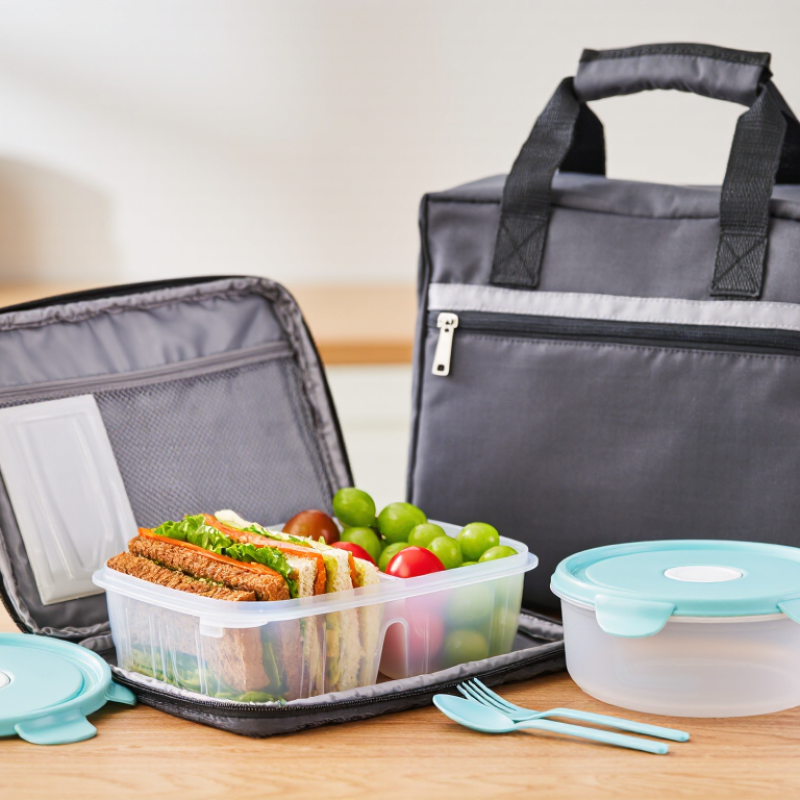
What Is a Lunch Box With Bottle and Bag?
A lunch box with bottle and bag is a portable meal-carrying set. It usually combines a food container, a reusable drink bottle, and a carrying bag. The box protects sandwiches, fruit, rice, or other prepared meals. The bottle holds water or another suitable drink. The bag keeps these items together during school, work, travel, or outdoor activities.
Its main purpose is practical meal organization. A well-designed bag may include insulation, a washable lining, and separate spaces for food and drinks. These details can help reduce leaks and keep meals at a more stable temperature. However, insulation does not replace refrigeration. Perishable food still needs safe temperature control and careful handling. The bottle should remain upright when possible. It should also have a secure lid.
I have found that size matters more than appearance. A compact set fits easily inside a backpack, but it may not hold a large meal. A bigger set offers more room, though it can feel heavy after several hours. Cleaning also affects reliability. Crumbs and moisture can collect around seams and bottle caps. Not ideal. Checking the lining, washing removable parts, and drying everything fully can improve daily use. The most dependable choice matches the user’s meal size, routine, and cleaning habits.
| Data Dimension | Definition or Typical Information | Purpose and Practical Benefit |
|---|---|---|
| Product definition | A coordinated meal-carrying set that usually includes a reusable lunch container, a drinking bottle, and a carrying bag. | Combines food, beverages, and transport into one organized daily-carry solution. |
| Primary purpose | To transport prepared meals and drinks from home to school, work, travel, or outdoor activities. | Supports meal planning, portion control, hydration, and convenient eating away from home. |
| Lunch box function | A rigid or semi-rigid container designed to hold solid food and, in some designs, separate compartments. | Helps protect food from crushing and may keep different foods separated during transport. |
| Bottle function | A reusable container for water or another beverage, commonly fitted with a screw, flip, or push-button lid. | Makes drinking water portable and can reduce reliance on single-use beverage containers. |
| Carrying bag function | An outer bag with handles, a shoulder strap, or both, often made with an insulated lining. | Improves portability and may slow temperature change when used with suitable cold packs. |
| Typical lunch-box capacity | Approximately 0.8–2.0 liters, depending on the intended user and meal size. | Provides space for a main meal, side dishes, fruit, or snacks without requiring several separate containers. |
| Typical bottle capacity | Approximately 350–750 milliliters for everyday school, office, or commuting use. | Offers a practical amount of drinking water while keeping the set relatively compact. |
| Common materials | Food containers may use stainless steel, polypropylene, or other food-contact plastics; bags commonly use polyester or nylon with foam insulation. | Material selection affects durability, weight, cleaning requirements, odor resistance, and temperature retention. |
| Temperature control | An insulated bag can slow warming or cooling, but it does not replace refrigeration or active heating. | Cold foods should be packed with an appropriate cold source and kept out of unsafe temperature conditions. |
| Leak prevention | Secure seals, gasketed lids, upright storage, and separate compartments help reduce spills. | Protects books, clothing, electronics, and other items carried in the same bag. |
| Cleaning requirements | Food-contact parts should generally be emptied and washed after use; the bag should be wiped, dried, and cleaned according to its care instructions. | Regular cleaning helps limit odors, stains, and microbial growth caused by food residue or moisture. |
| Best use cases | School lunches, office meals, commuting, picnics, short trips, and day outings. | Provides a compact and reusable alternative to carrying disposable packaging and separate drink containers. |
| Selection criteria | Consider capacity, dimensions, weight, leak resistance, insulation, cleaning ease, bottle compatibility, and carrying comfort. | Helps match the set to meal size, travel distance, storage space, and daily routine. |
It is a portable meal set with a food container, reusable bottle, and carrying bag. It keeps lunch items together. It suits school, work, travel, and outdoor activities.
The lunch box holds solid foods and separates portions. The bottle carries water or another suitable drink. The bag protects both items during transportation.
An insulated lining can slow temperature changes. It cannot replace refrigeration or an ice pack for perishable food. Use safe temperature control.
Match the capacity to your usual meal. A compact box fits a backpack but holds less food. A larger set carries more, but may feel heavy.
Choose tight food-container lids and secure bottle caps. Keep the bottle upright when possible. Separate wet foods from dry snacks.
Stainless steel can resist odors and feels durable. Some plastics weigh less and may be easier to carry. Neither choice fits everyone.
Measure the lunch box and bottle spaces carefully. Look for smooth corners, washable surfaces, and strong handles. Test the zipper and cap.
Wash the bottle after each use. Clean removable seals, corners, and bag seams. Dry every part fully before storage.
Separate pockets can hold utensils, napkins, or snacks. Too many compartments may trap crumbs and moisture. Fewer pockets can be easier to clean.
Not always. Compare capacity, closure quality, materials, cleaning needs, and daily comfort. I once chose appearance over zipper strength, and the zipper failed during a crowded commute.
A Lunch Box With Bottle And Bag is a practical meal-carrying set designed to keep food, drinks, and small personal items organized in one convenient package. It usually includes a food container, a reusable bottle, and a carrying bag. The lunch box protects meals and helps separate different foods, while the bottle holds water or other beverages. The bag makes transportation easier and may provide insulation to help maintain the meal’s temperature.
These lunch sets are commonly made from food-safe plastic, stainless steel, silicone, fabric, or insulated materials. They come in different sizes and may feature leak-resistant seals, adjustable compartments, secure closures, and comfortable handles or shoulder straps. When choosing one, consider capacity, durability, portability, insulation, ease of cleaning, and whether the components fit your daily needs. After use, empty the containers, wash them with mild soap and warm water, dry them completely, and store them with lids open or loosely placed to prevent odors and moisture buildup.

 Dadi Plastic